Dieci anni di Brexit
Economia, energia, finanza e sovranità: le nostre analisi sul Regno Unito a dieci anni dal referendum.
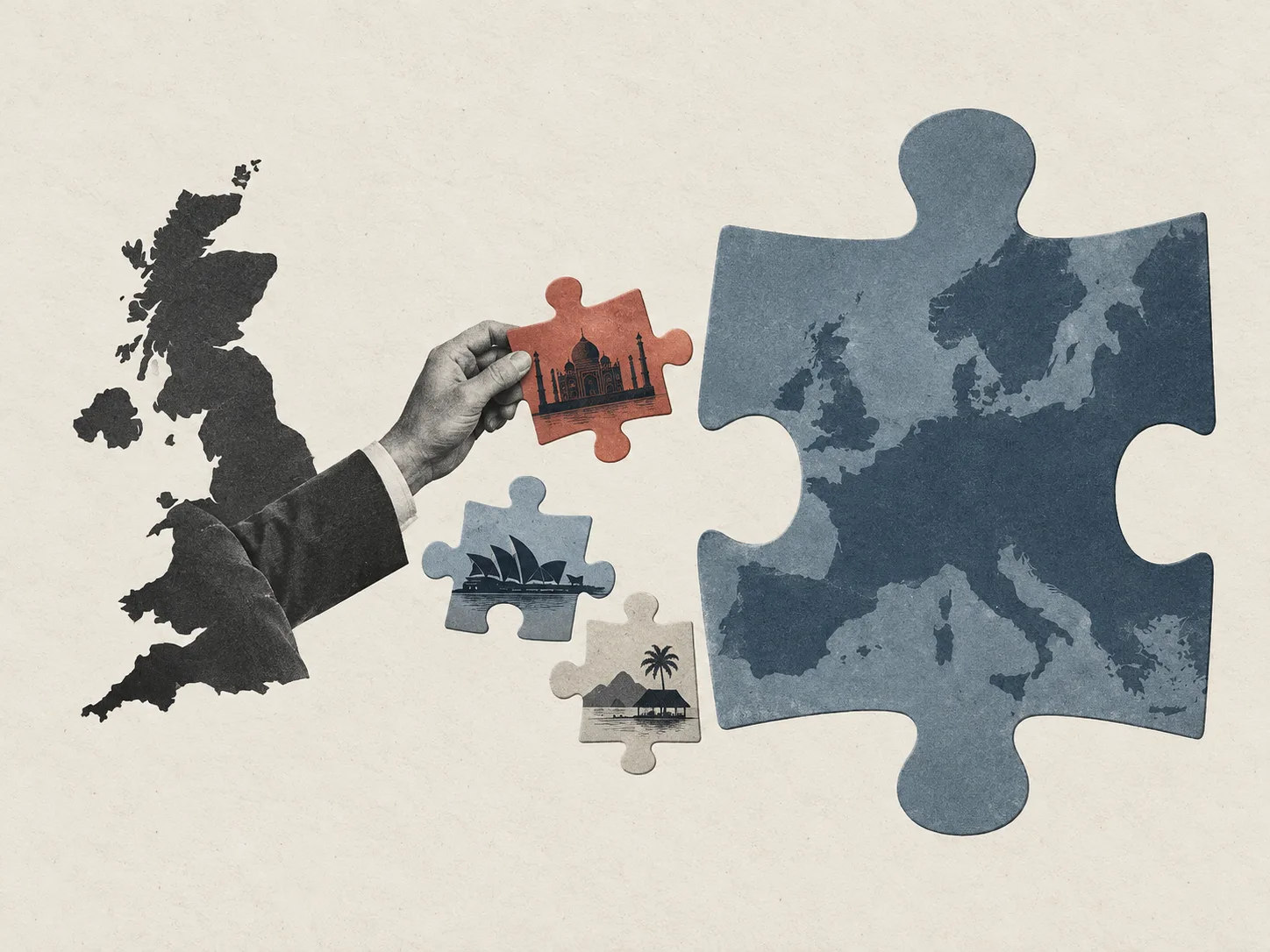
Global Britain put to the Test
The concept of “Global Britain” emerged as one of the pillars of the UK’s post-Brexit strategy, championed by Theresa May’s government (2016–2019) and consolidated under Boris Johnson (2019–2022). This vision rested on two major ambitions: to recover trade policy autonomy in order to diversify the UK’s economic partnerships and thus mitigate the impact of Brexit, and to strengthen the UK’s
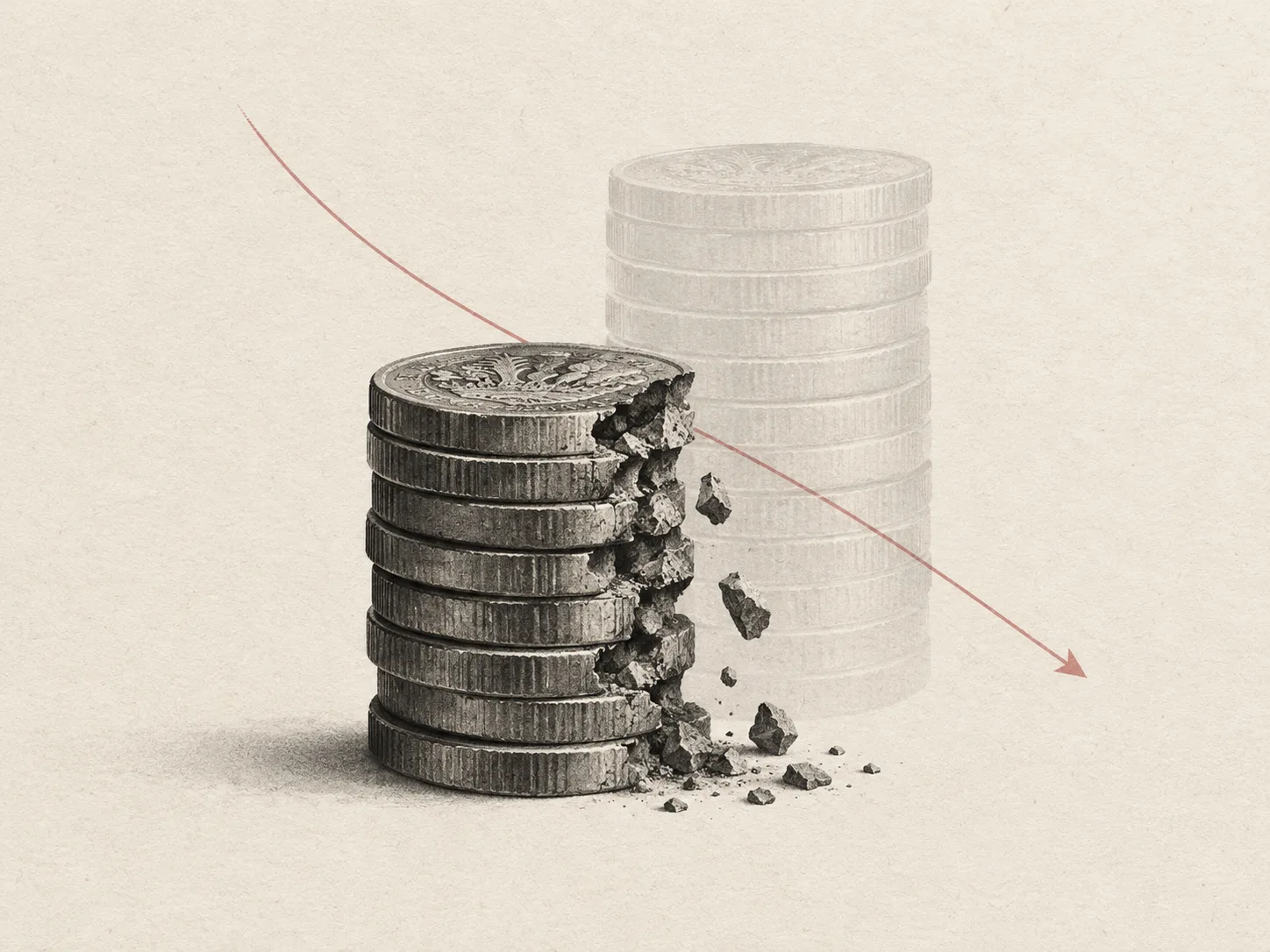
Measuring the Economic Cost of Brexit
Brexit has affected the UK economy through four channels of the balance of payments, each operating at a different speed. On goods, Brexit cut UK imports from the EU by 25% relative to the rest of the world (Freeman et al., 2022). UK goods exports to the EU remain 18% below their 2017–19 average in 2025, and nearly sixty points below their no-Brexit trajectory. The number of micro and small

The City After Brexit: London Adapts, Europe Fragments, New York Wins
The debate over Brexit’s impact on the City of London has crystallised around three competing narratives, each capturing part of a more complex structural transformation. The resilience narrative points to London’s enduring dominance in foreign exchange (38% of global turnover, BIS 2022), OTC derivatives clearing, FinTech investment and cross-border financial intermediation. The attrition
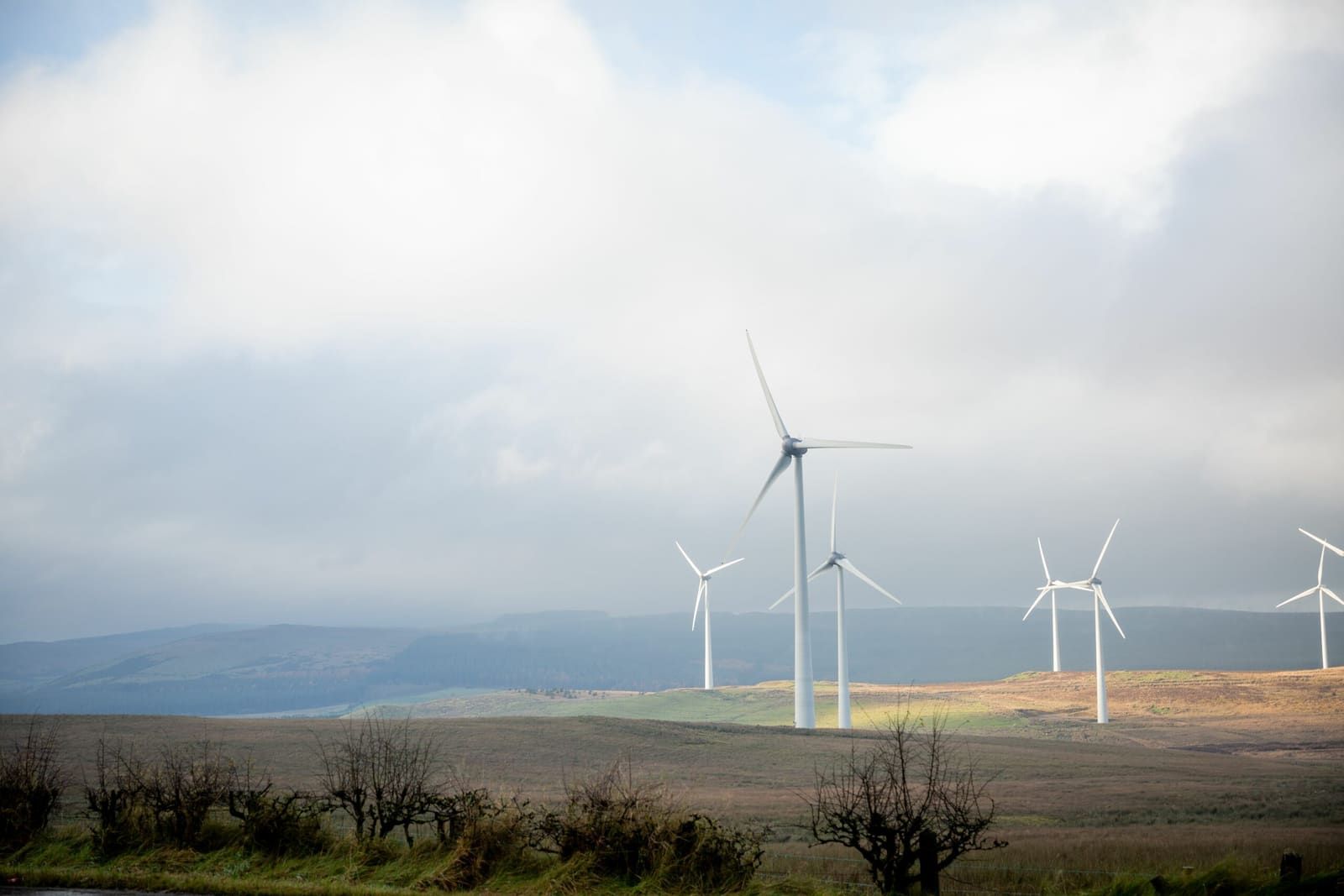
The British Electricity System Ten Years After Brexit
The UK has retired 22.5 GW of fossil fuel capacity, eliminated coal entirely (the first G7 country to do so), and brought carbon intensity down from 445 g/kWh in 2009 to 126 g/kWh in 2025. Wind now meets 30% of electricity demand. Yet the system remains structurally dependent on gas, which still sets the wholesale price most of the time despite supplying only 30% of generation. A persistent

Economic Sanctions since the United Kingdom’s Withdrawal from the European Union
The United Kingdom’s withdrawal took effect for sanctions on 31 December 2020, and from 1 January 2021 the two regimes became independent for the first time since 1973. Britain built its autonomous framework on the Sanctions and Anti-Money Laundering Act 2018, which allows faster, unilateral action than the EU’s unanimity-bound process, including a 56-day emergency procedure. Yet a shared

Regulating the Digital Sphere After Brexit
Ten years after Brexit, the European Union and the United Kingdom have each adopted new legislation governing digital life and the digital economy. Data protection, the digital economy, online safety and artificial intelligence are all fields in which Brussels and London have developed broadly similar regulatory tools. This British alignment with the European approach reveals a shared set of